are coming rather soon. Am tired and going to bed soon, have to work tomorrow. That is how rock and roll my life is on new years. I'll have everyone's pics up in the next day or so. Happy (and safe) New Year! If you have not already, please e mail your pics to me - lono33(at)comcast.net
thanks,
kpl - rock guy
Sunday, December 31, 2006

Wednesday, December 13, 2006
Peter Boyle
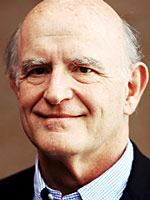
Peter Boyle is gone, and that is a bummer. Besides a great actor who took the almost all the best roles ever (only Christopher Lloyd ranks higher in great character roles)... but I believe he was a really nice guy. In Hollywood, like rock and roll, I believe most successful people are assmunches. In fact, I am already an assmunch in anticipation of one day being good at something.
I know you first met him in that Mel Brooks movie, Young Frankenstein. That was before my time. I first met him as Hunter S Thompson's lawyer Lazlo (Oscar Zeta Acosta) in the Bill Murray film 'Where the Buffalo Roam'. Did you know that Boyle was a monk? Yeah, the making beer praying to the lord type. Also, he was a very close friend of John Lennon. That carries a lot of weight with me.
Why else does Peter Boyle rule? Because he did the X Files, a few of them. I used to love that show like I loved the Sopranos. I used to love that show like I used to love Lost. Farewell, Pete. As your attorney, I advise you to have a drink with Hunter and Lennon wherever it is you three are.
Tuesday, July 11, 2006
Syd Barrett - Piper at the gates of Heaven

Syd Barrett is gone. You don't think you know Syd, but you do. He started a pretty influential English band, Pink Floyd. Problem is, Syd went crazy on acid very early in his career. When I saw crazy, I mean that the guy once thought he was a glass of orange juice and would not let anyone near him for fear he would be tipped over.
They had to send Syd to the funny farm and out of the band way back in the early 60's. Syd was always in the band's heart, though. They wrote 'Shine on you crazy diamond' about Syd, as is 'Wish you were here' dedicated to him. Nobody knows much about what or where Syd has been up in the last 40 years... until yesterday when he passed at age 60.
If you take a look at this Syd song for Floyd, you can maybe get a hint at his budding (though adorable) craziness coming around the bend. This is a song he wrote called 'Bike' and it is catchy as hell.
I've got a bike. You can ride it if you like.
It's got a basket, a bell that rings and
Things to make it look good.
I'd give it to you if I could, but I borrowed it.
You're the kind of girl that fits in with my world.
I'll give you anything, ev'rything if you want things.
I've got a cloak. It's a bit of a joke.
There's a tear up the front. It's red and black.
I've had it for months.
If you think it could look good, then I guess it should.
You're the kind of girl that fits in with my world.
I'll give you anything, ev'rything if you want things.
I know a mouse, and he hasn't got a house.
I don't know why. I call him Gerald.
He's getting rather old, but he's a good mouse.
You're the kind of girl that fits in with my world.
I'll give you anything, ev'rything if you want things.
I've got a clan of gingerbread men.
Here a man, there a man, lots of gingerbread men.
Take a couple if you wish. They're on the dish.
You're the kind of girl that fits in with my world.
I'll give you anything, ev'rything if you want things.
I know a room of musical tunes.
Some rhyme, some ching. Most of them are clockwork.
Let's go into the other room and make them work.
Shine on, Syd... you crazy dead bastard!
Sunday, January 01, 2006
Cousin Drew
1. Lady Bird Johnson
2. Gerald Ford
3. Brook Astor
4. Maurice Papon
5. Tammy Faye Bakker
6. Peter Jennings
7. Norodom Sihanouk
8. Charlton Heston
9. Wilford Brimley
10. Dick Clark
2. Gerald Ford
3. Brook Astor
4. Maurice Papon
5. Tammy Faye Bakker
6. Peter Jennings
7. Norodom Sihanouk
8. Charlton Heston
9. Wilford Brimley
10. Dick Clark
Saturday, December 31, 2005
The Queen's List - Malibu Julz
- Tammy Faye Baker Messner
- Annette Funicello
- Alice Ghostley
- Stephen Hawking
- Zsa Zsa Gabor
- Jesse Helms
- Billy Graham
- Danny Bonaduce
- Vaclav Havel (former Czech president/playwright)
- Nancy Reagan
Alternate: Lady Bird Johnson
This is the list of the Queen of Darkness. I agonized for quite some time. I think this should do it though.
Lilly von Schtupp (mother herb)
Dick Clark
BB King
Maureen O'Hara
Shelly Long
Dick Gregory
Betty Page
Baby Noor
Kris Kristofferson
Dick Cheney
Mohammed Ali
Alternate:Kate Moss
BB King
Maureen O'Hara
Shelly Long
Dick Gregory
Betty Page
Baby Noor
Kris Kristofferson
Dick Cheney
Mohammed Ali
Alternate:Kate Moss
Mackenzie S
elizabeth taylor
billy graham
kurt vonnegut
abu musab al-zarqawi
Estelle Getty
Stephen Hawking
muhummad ali
Saddam Hussein
Tammy Faye Messner
Jake the snake Roberts
alternate
annette funnicello
billy graham
kurt vonnegut
abu musab al-zarqawi
Estelle Getty
Stephen Hawking
muhummad ali
Saddam Hussein
Tammy Faye Messner
Jake the snake Roberts
alternate
annette funnicello
Rev Ed
1. Lou Rawls
2. Pat Burns
3. Beyonce'
4. Jesse Helms
5. Charlton Heston
6. Nancy Reagan
7. Brooke Astor
8. Ernest Gallo
9. Billy Graham
10. Dolores Hope
Alt. Tammy Faye Messner
2. Pat Burns
3. Beyonce'
4. Jesse Helms
5. Charlton Heston
6. Nancy Reagan
7. Brooke Astor
8. Ernest Gallo
9. Billy Graham
10. Dolores Hope
Alt. Tammy Faye Messner
Sage's list
Ibrahim Rugova (Kosovo's president, advanced lung cancer)
Billy Graham (tired of Bible thumpin' I hope)
Dick Clark
Charlton Heston (again keeping from last couple of years)
Augusto Pinochet (dementia and going downhill. Dictatorship has taken its toll)
Elizabeth Taylor (suffers from "heart condition" and "being washed up and fat")
Manjit Bawa (celebrity Indian painter on life support with cerebral hemorrhage)
Susan Butcher (Iditarod champ diagnosed with hardcore cancer)
Mike Peters (lead singer of The Alarm has NHL. No, not the National Hockey League)
Emiliano Mercado Del Toro (oldest man EVER.)
Alternate (in case we decide to do the 'alternate') Jerry Lewis.
Billy Graham (tired of Bible thumpin' I hope)
Dick Clark
Charlton Heston (again keeping from last couple of years)
Augusto Pinochet (dementia and going downhill. Dictatorship has taken its toll)
Elizabeth Taylor (suffers from "heart condition" and "being washed up and fat")
Manjit Bawa (celebrity Indian painter on life support with cerebral hemorrhage)
Susan Butcher (Iditarod champ diagnosed with hardcore cancer)
Mike Peters (lead singer of The Alarm has NHL. No, not the National Hockey League)
Emiliano Mercado Del Toro (oldest man EVER.)
Alternate (in case we decide to do the 'alternate') Jerry Lewis.
Roy's List
Charles Lane 101 years old. Great character actor from 50s and 60s
Roy Neuberger Huge NY art dealer guy. 103
Gerald R. Ford Clumsy ex president, recently hospitalized with bad head cold. 93
Jane Wyatt. Spock's mother. 99 years old.
Gordon Hinckley, Head of the Mormon Church. 96
Boy George George Allen Dowd (recurring disasterous drug habit. This is his year!) 44
Augusto Pinochet 90
Ronnie Hawkins 70. (Pancreatic Cancer in remission - his days are numbered.)
Zsa Zsa Gabor 88 (recovering from a stroke.)
Dick Clark
(alternate) Ronnie Biggs
Roy Neuberger Huge NY art dealer guy. 103
Gerald R. Ford Clumsy ex president, recently hospitalized with bad head cold. 93
Jane Wyatt. Spock's mother. 99 years old.
Gordon Hinckley, Head of the Mormon Church. 96
Boy George George Allen Dowd (recurring disasterous drug habit. This is his year!) 44
Augusto Pinochet 90
Ronnie Hawkins 70. (Pancreatic Cancer in remission - his days are numbered.)
Zsa Zsa Gabor 88 (recovering from a stroke.)
Dick Clark
(alternate) Ronnie Biggs
Wednesday, December 21, 2005
kpl - Rock Guy's picks for 2006
Here they are - the big 10 from Rock Guy - Master of Death Emeritus®

1. Mohammed Ali (63)> is very very sick from Parkinson's
2. Kurt Vonnegut (83) > on last press tour admitted he was ready to check out
3. Maria Esther Capovilla (116) > oldest woman alive
4. Mindy McCready (30) > troubled young country singer with suicide attempts - this one would be HUGE points
5. Billy Graham (87) > held his 'last crusade' recently
6. Kirk Douglas (83) > several strokes, is a hold out from my 2005 list
7. Nelson Mandella (87) > sadly is in bad health, 30 years in jail will do that
8. Mickey Rooney (86) > no real reason here, he just annoys me
9. Liz Taylor (73) > in bad health. I understand she has been bedridder for about a year now
10. Charlton Heston (?) > profoundly unlikable racist gun nut, also in bad health
11. Mike Wallace (87) (alternate) > dude is a hero my mine, like Mandella. He doesn't look too good though
1. Mohammed Ali (63)> is very very sick from Parkinson's
2. Kurt Vonnegut (83) > on last press tour admitted he was ready to check out
3. Maria Esther Capovilla (116) > oldest woman alive
4. Mindy McCready (30) > troubled young country singer with suicide attempts - this one would be HUGE points
5. Billy Graham (87) > held his 'last crusade' recently
6. Kirk Douglas (83) > several strokes, is a hold out from my 2005 list
7. Nelson Mandella (87) > sadly is in bad health, 30 years in jail will do that
8. Mickey Rooney (86) > no real reason here, he just annoys me
9. Liz Taylor (73) > in bad health. I understand she has been bedridder for about a year now
10. Charlton Heston (?) > profoundly unlikable racist gun nut, also in bad health
11. Mike Wallace (87) (alternate) > dude is a hero my mine, like Mandella. He doesn't look too good though
Monday, December 19, 2005
It's a celebrity dead pool
Here is where our little band of participants at the Phyllis Diller Is Not Dead celebrity dead pool will post our progress as those that have passed are documented and remembered.
For more details go to the group at The official dead pool site.
As each person on someone's list dies, we will post the picture and the obituary and a brief summary if any points in the passing are involved.
The Rules, as they are:
A celebrity dead pool for the year 2002,2003,2004, 2005.
The fifth year of this fine event is just around the corner. Start making your list of names now and take part in this wholesome past time that lasts the whole year.
Submit 11 names of folks that will die in 2005. The first ten count, the 11th is an alternate.
Any submissions after midnight 12/31/04 will not be accepted.
On Jan 1, 2006 the winner is announced. The winner for 2004 will be announced at some later date after a drunken party in honor of those passed on.
Points are awarded for the following:
Age of the dead (oldest- least points * youngest -most points.)
Oldest 4 points Youngest 6 points
Active deaths
First corpse - 4 points
Last corpse - 5 points
Most names on the list - 18 points per name
Suicide - 10 points
Under 65 - 4 points
Under 55 - 4 points (in addition to the under 65 points awarded.)
Rules and scoring posted at groups.yahoo.com/groups/PhyllisDillerisnotdead
A Yahoo membership is probably required so sign up so you can track the annual deaths.
For more details go to the group at The official dead pool site.
As each person on someone's list dies, we will post the picture and the obituary and a brief summary if any points in the passing are involved.
The Rules, as they are:
A celebrity dead pool for the year 2002,2003,2004, 2005.
The fifth year of this fine event is just around the corner. Start making your list of names now and take part in this wholesome past time that lasts the whole year.
Submit 11 names of folks that will die in 2005. The first ten count, the 11th is an alternate.
Any submissions after midnight 12/31/04 will not be accepted.
On Jan 1, 2006 the winner is announced. The winner for 2004 will be announced at some later date after a drunken party in honor of those passed on.
Points are awarded for the following:
Age of the dead (oldest- least points * youngest -most points.)
Oldest 4 points Youngest 6 points
Active deaths
First corpse - 4 points
Last corpse - 5 points
Most names on the list - 18 points per name
Suicide - 10 points
Under 65 - 4 points
Under 55 - 4 points (in addition to the under 65 points awarded.)
Rules and scoring posted at groups.yahoo.com/groups/PhyllisDillerisnotdead
A Yahoo membership is probably required so sign up so you can track the annual deaths.
Monday, April 25, 2005
Sir John Mills, Actor Who Played the Quintessential British Officer, Dies at 97
By ROBERT D. McFADDEN
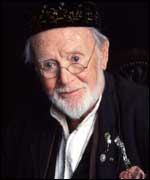
Sir John Mills
Sir John Mills, the celebrated British actor who portrayed war heroes, Dickensian upstarts and an extraordinary pantheon of English characters in a film, stage and television career that spanned much of the 20th century, died yesterday at his home in Denham, west of London. He was 97.
The cause of death was not announced, but The Associated Press quoted a trustee of Sir John's estate as saying he had been ill for about a month with a chest infection. He had been almost blind since 1992, when the retinas of his eyes failed, though he continued acting, appearing earlier this year as A Tramp in a short titled "Lights2."
In a career that spanned 70 years and included more than 100 films and scores of plays in London and New York, Sir John delivered touching, restrained performances that caught cherished notions of what it meant to be a Briton - self-effacing, decent, sentimental, even mawkish, but reliable, cool under fire, the ordinary seaman who pins down a German battleship, the schoolmaster-turned-R.A.F. pilot.
In films, he was the Cockney seaman in Noël Coward's classic "In Which We Serve" (1942), the sailor boy-next-door who goes to war in "This Happy Breed" (1944), the adult orphan Pip in David Lean's "Great Expectations" (1947), the compulsive disciplinarian commander of a Scottish regiment crushed by Alec Guinness's old-boy clique in "Tunes of Glory" (1960), and the Viceroy of India in "Gandhi" (1982).
On stage, Sir John, who began as a song-and-dance man in the 1920's, captivated London audiences with his first major hit as the American, George, in the 1939 production "Of Mice and Men." But he also performed Shakespeare and appeared in many West End plays, including three written by his wife, Mary Hayley Bell - "Men in Shadow" (1942), "Duet for Two Hands" (1945) and "The Uninvited Guest" (1953). He made his Broadway debut in 1961 as Lawrence of Arabia in Terence Rattigan's "Ross."
A small, wiry athletic man with intense gray eyes, wavy brown hair, a high forehead, an angular face and a resonant baritone voice, Sir John became one of Britain's most versatile, beloved and busy actors - and found time for tennis, skiing, swimming, polo and fast cars, which he called his lone vice.
He made forays to America for stage and television work, but resisted the lure of Hollywood, making his base and most of his films in England. "I love it here, and my wife and I wouldn't be happy anywhere else," he once explained. "So if I lived in Hollywood, I would simply be rich and unhappy. What's the point in that?"
He extolled honesty as a key to his craft, advising young actors to imagine the ways in which a character speaks and thinks, and then to act in accordance with those images. "He will be telling the truth and never overact or underact," Sir John said.
The recipient of many awards, including a prize at the 1960 International Film Festival in Venice, he won an Oscar as best supporting actor in 1971 for his portrayal of a village idiot in "Ryan's Daughter," for which he studied the behavior of brain-damaged patients for months. Queen Elizabeth II named him a Commander of the British Empire in 1960 and knighted him in 1976.
Sir John was the father of one of England's leading theatrical families, and appeared with both his daughters in films. He found several roles for Juliet Mills, the first when she was just a few weeks old, in "In Which We Serve," and he introduced Hayley Mills as the defiant girl in "Tiger Bay," taking the role of the police superintendent himself. A son, Jonathan, is a film scriptwriter.
Sir John was born Lewis Ernest Watts Mills on Feb. 22, 1908. His birthplace has been reported as Felixstowe, Suffolk, and as North Elmham, Norfolk. His father was a mathematics teacher and his grandfather a member of the London Corn Exchange, and while he was stagestruck he seemed destined for a career in business until he was 19, when he fled to the West End, determined to try his luck with a new first name, John.
He sold disinfectants and toilet paper to pay the rent, studied tap dancing and, in 1929, was cast in the chorus of a musical at the Hippodrome. A break soon developed. He joined a repertory company called The Quaints, and went on a yearlong tour in Asia, playing roles in dramas, comedies and musicals.
On tour, he met three people who were to be important to him - Aileen Raymond, a member of the troupe, whom he married in 1932 (they were divorced eight years later), Mary Hayley Bell, a 16-year-old girl in the audience in Tientsin who would become his second wife in 1941, and Noël Coward, who was impressed by his acting and became a lifelong friend.
Back in London, the young actor soon found parts in Coward's reviews and plays, including "Cavalcade" (1931), and in other productions. In 1938, he was invited to join the Old Vic Company and played Marlow in "She Stoops to Conquer," and Puck in "A Midsummer Night's Dream." After his 1939 West End success in John Steinbeck's "Of Mice and Men," he was offered the lead in Maxwell Anderson's "Key Largo" on Broadway. But World War II intervened.
He joined the Royal Engineers and later won a commission in the Royal Monmouthshire Rifles, but an ulcer ended his military career in 1942, and he returned to the London theater. As his stage career progressed, he turned increasingly to films, acting in four or five a year, so many that he sometimes lost count. His role in "Goodbye, Mr. Chips," brought him international stardom in 1939.
Many of his World War II movies were hailed by critics as gems of the genre, a mix of fine acting and patriotic themes. His heroes were not extraordinary men - citizen soldiers, seamen and airmen with boyish faces, the son or brother or boy next door who goes to war, is steady under fire and sometimes does not come home.
In Anthony Asquith's "Way to the Stars" (1945) he was a civilian schoolmaster who joins the R.A.F. In "Forever England" (1935) he was the able-bodied seaman confronting an enemy battleship, and in "Waterloo Road" (1945) he was a tormented soldier absent without leave. Sir John produced some films, including two comedies - "The Rocking Horse Winner" (1950), and "The History of Mr. Polly" (1949).
His later roles included the explorer Robert Falcon Scott in "Scott of the Antarctic" (1948), an inept sailor in "The Baby and the Battleship" (1956), Willie Mossop, a bootmaker clashing with his daughter, in "Hobson's Choice" (1954), Masterman Finsbury in "The Wrong Box" (1966), a submarine commander in "Above Us the Waves" (1955), Cpl. Tubby Bins in "Dunkirk" (1958) and General Kitchener in "Young Winston" (1972).
Sir John made his American television debut in 1956 in a production of Somerset Maugham's play "The Letter," and played a British officer in "The Interrogator," on NBC in 1962. His television work included a western series, "Dundee and the Culhane," in 1967, movie roles, many guest and comedic appearances and roles in "Tales of the Unexpected," in 1980.
In later years, there were other films and appearances, despite his failing eyesight. One of his last roles was a cameo - a man taking cocaine at a party in Stephen Fry's "Bright Young Things," in 2003.
Sir John, who is survived by Mary Hayley Bell and their three children, told David Frost in a 2002 interview that he would never retire. "It's something that I can hardly explain," he said. "It's such warmth that greets me, and I can even say the word love and I feel terrific. It's just wonderful."
Copyright 2005 The New York Times Company |
Sir John Mills

Sir John Mills, the celebrated British actor who portrayed war heroes, Dickensian upstarts and an extraordinary pantheon of English characters in a film, stage and television career that spanned much of the 20th century, died yesterday at his home in Denham, west of London. He was 97.
The cause of death was not announced, but The Associated Press quoted a trustee of Sir John's estate as saying he had been ill for about a month with a chest infection. He had been almost blind since 1992, when the retinas of his eyes failed, though he continued acting, appearing earlier this year as A Tramp in a short titled "Lights2."
In a career that spanned 70 years and included more than 100 films and scores of plays in London and New York, Sir John delivered touching, restrained performances that caught cherished notions of what it meant to be a Briton - self-effacing, decent, sentimental, even mawkish, but reliable, cool under fire, the ordinary seaman who pins down a German battleship, the schoolmaster-turned-R.A.F. pilot.
In films, he was the Cockney seaman in Noël Coward's classic "In Which We Serve" (1942), the sailor boy-next-door who goes to war in "This Happy Breed" (1944), the adult orphan Pip in David Lean's "Great Expectations" (1947), the compulsive disciplinarian commander of a Scottish regiment crushed by Alec Guinness's old-boy clique in "Tunes of Glory" (1960), and the Viceroy of India in "Gandhi" (1982).
On stage, Sir John, who began as a song-and-dance man in the 1920's, captivated London audiences with his first major hit as the American, George, in the 1939 production "Of Mice and Men." But he also performed Shakespeare and appeared in many West End plays, including three written by his wife, Mary Hayley Bell - "Men in Shadow" (1942), "Duet for Two Hands" (1945) and "The Uninvited Guest" (1953). He made his Broadway debut in 1961 as Lawrence of Arabia in Terence Rattigan's "Ross."
A small, wiry athletic man with intense gray eyes, wavy brown hair, a high forehead, an angular face and a resonant baritone voice, Sir John became one of Britain's most versatile, beloved and busy actors - and found time for tennis, skiing, swimming, polo and fast cars, which he called his lone vice.
He made forays to America for stage and television work, but resisted the lure of Hollywood, making his base and most of his films in England. "I love it here, and my wife and I wouldn't be happy anywhere else," he once explained. "So if I lived in Hollywood, I would simply be rich and unhappy. What's the point in that?"
He extolled honesty as a key to his craft, advising young actors to imagine the ways in which a character speaks and thinks, and then to act in accordance with those images. "He will be telling the truth and never overact or underact," Sir John said.
The recipient of many awards, including a prize at the 1960 International Film Festival in Venice, he won an Oscar as best supporting actor in 1971 for his portrayal of a village idiot in "Ryan's Daughter," for which he studied the behavior of brain-damaged patients for months. Queen Elizabeth II named him a Commander of the British Empire in 1960 and knighted him in 1976.
Sir John was the father of one of England's leading theatrical families, and appeared with both his daughters in films. He found several roles for Juliet Mills, the first when she was just a few weeks old, in "In Which We Serve," and he introduced Hayley Mills as the defiant girl in "Tiger Bay," taking the role of the police superintendent himself. A son, Jonathan, is a film scriptwriter.
Sir John was born Lewis Ernest Watts Mills on Feb. 22, 1908. His birthplace has been reported as Felixstowe, Suffolk, and as North Elmham, Norfolk. His father was a mathematics teacher and his grandfather a member of the London Corn Exchange, and while he was stagestruck he seemed destined for a career in business until he was 19, when he fled to the West End, determined to try his luck with a new first name, John.
He sold disinfectants and toilet paper to pay the rent, studied tap dancing and, in 1929, was cast in the chorus of a musical at the Hippodrome. A break soon developed. He joined a repertory company called The Quaints, and went on a yearlong tour in Asia, playing roles in dramas, comedies and musicals.
On tour, he met three people who were to be important to him - Aileen Raymond, a member of the troupe, whom he married in 1932 (they were divorced eight years later), Mary Hayley Bell, a 16-year-old girl in the audience in Tientsin who would become his second wife in 1941, and Noël Coward, who was impressed by his acting and became a lifelong friend.
Back in London, the young actor soon found parts in Coward's reviews and plays, including "Cavalcade" (1931), and in other productions. In 1938, he was invited to join the Old Vic Company and played Marlow in "She Stoops to Conquer," and Puck in "A Midsummer Night's Dream." After his 1939 West End success in John Steinbeck's "Of Mice and Men," he was offered the lead in Maxwell Anderson's "Key Largo" on Broadway. But World War II intervened.
He joined the Royal Engineers and later won a commission in the Royal Monmouthshire Rifles, but an ulcer ended his military career in 1942, and he returned to the London theater. As his stage career progressed, he turned increasingly to films, acting in four or five a year, so many that he sometimes lost count. His role in "Goodbye, Mr. Chips," brought him international stardom in 1939.
Many of his World War II movies were hailed by critics as gems of the genre, a mix of fine acting and patriotic themes. His heroes were not extraordinary men - citizen soldiers, seamen and airmen with boyish faces, the son or brother or boy next door who goes to war, is steady under fire and sometimes does not come home.
In Anthony Asquith's "Way to the Stars" (1945) he was a civilian schoolmaster who joins the R.A.F. In "Forever England" (1935) he was the able-bodied seaman confronting an enemy battleship, and in "Waterloo Road" (1945) he was a tormented soldier absent without leave. Sir John produced some films, including two comedies - "The Rocking Horse Winner" (1950), and "The History of Mr. Polly" (1949).
His later roles included the explorer Robert Falcon Scott in "Scott of the Antarctic" (1948), an inept sailor in "The Baby and the Battleship" (1956), Willie Mossop, a bootmaker clashing with his daughter, in "Hobson's Choice" (1954), Masterman Finsbury in "The Wrong Box" (1966), a submarine commander in "Above Us the Waves" (1955), Cpl. Tubby Bins in "Dunkirk" (1958) and General Kitchener in "Young Winston" (1972).
Sir John made his American television debut in 1956 in a production of Somerset Maugham's play "The Letter," and played a British officer in "The Interrogator," on NBC in 1962. His television work included a western series, "Dundee and the Culhane," in 1967, movie roles, many guest and comedic appearances and roles in "Tales of the Unexpected," in 1980.
In later years, there were other films and appearances, despite his failing eyesight. One of his last roles was a cameo - a man taking cocaine at a party in Stephen Fry's "Bright Young Things," in 2003.
Sir John, who is survived by Mary Hayley Bell and their three children, told David Frost in a 2002 interview that he would never retire. "It's something that I can hardly explain," he said. "It's such warmth that greets me, and I can even say the word love and I feel terrific. It's just wonderful."
Copyright 2005 The New York Times Company |
Thursday, April 07, 2005
Obituary: Saul Bellow, 89, master of American novel
By Mel Gussow and Charles McGrath The New York Times
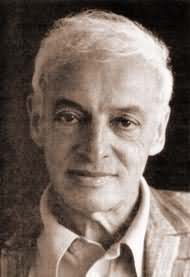
Saul Bellow
Saul Bellow, 89, the Nobel laureate and self-proclaimed historian of society whose fictional heroes - and whose scathing, unrelenting and darkly comic examination of their struggle for meaning - gave new immediacy to the American novel in the second half of the 20th century, died Tuesday at his home in Brookline, Massachusetts.
"I cannot exceed what I see," he once said. "I am bound, in other words, as the historian is bound by the period he writes about, by the situation I live in."
But his was a history of a particular and idiosyncratic sort. The center of his fictional universe was Chicago, where he grew up and spent most of his life, and which he made into the first city of American letters. Many of his works are set there, and almost all of them have a Midwestern earthiness and brashness. Like their creator, Bellow's heroes were all head and all body. They tended to be dreamers, questers or bookish intellectuals, but they lived in a lovingly depicted world of cranks, con men, fast-talking salesmen and wheeler-dealers.
In novels like "The Adventures of Augie March," his breakthrough novel in 1953, "Henderson the Rain King" and "Herzog," Bellow laid a path for old-fashioned, supersized characters and equally big themes and ideas. All his work, long and short, was written in a distinctive, immediately recognizable style that blended high and low, colloquial and mandarin, wisecrack and aphorism, as in the introduction of the poet Humboldt at the beginning of "Humboldt's Gift":
"He was a wonderful talker, a hectic nonstop monologuist and improvisator, a champion detractor. To be loused up by Humboldt was really a kind of privilege. It was like being the subject of a two-nosed portrait by Picasso, or an eviscerated chicken by Soutine."
Bellow stuck to an individualistic path, steering clear of cliques, fads and schools of writing. He was frequently lumped together with Philip Roth and Bernard Malamud as a Jewish-American writer, but he rejected the label.
Bellow grew up reading the Old Testament, Shakespeare and the great 19th-century Russian novelists, and always looked with respect to the masters, even as he tried to recast himself in the American idiom. A scholar as well as teacher, he read deeply and quoted widely, often referring to Henry James, Marcel Proust and Gustave Flaubert. While others were ready to proclaim the death of the novel, he continued to think of it as a vital form. "I never tire of reading the master novelists," he said. "Can anything as vivid as the characters in their books be dead?"
In a long and unusually productive career, Bellow dodged many of the snares that typically entangle American writers. He didn't drink much, and though he was analyzed four times, his mental health was as robust as his physical health. His success came neither too early nor too late, and he took it more or less in stride. He never ran out of ideas and he never stopped writing.
The Nobel Prize, which he won in 1976, was the cornerstone of a career that also included a Pulitzer Prize, three National Book Awards, a Presidential Medal and more honors than any other American writer. In contrast with some other winners, who were wary of the albatross of the Nobel, Bellow accepted it matter-of-factly. "The child in me is delighted," he said. "The adult in me is skeptical." He took the award, he said, "on an even keel," aware of "the secret humiliation" that "some of the very great writers of the century didn't get it."
This most American of writers was born in Lachine, Quebec, a poor immigrant suburb of Montreal. He was the last of four children of Abram and Liza Bellow, but as he was always quick to point out, the first to be born in the New World. His parents had emigrated from Russia two years before.
In 1924, when their son was 9, the Bellows moved to Chicago, where the family began to prosper a little as Abram picked up work. The family continued its old ways in the United States, and during his childhood, Saul was steeped in Jewish tradition, learning Hebrew and Yiddish.
But eventually he rebelled against what he considered to be a "suffocating orthodoxy," and he found in Chicago not just a physical home but a spiritual one. Eventually the city became for him what London was for Dickens and Dublin was for Joyce - the center of both his life and his work, and not just a place or a background but almost a character in its own right.
In 1933 he enrolled at the University of Chicago, but two years later transferred to Northwestern. He had hoped to study literature but was put off by what he saw as the tweedy anti-Semitism of the English department, and graduated in 1937 with honors in anthropology and sociology, subjects that were later to infuse his novels. But he was still obsessed by fiction. While doing graduate work in anthropology at the University of Wisconsin, he found that "every time I worked on my thesis, it turned out to be a story." He added, "I sometimes think the Depression was a great help. It was no use studying for any other profession."
Quitting his graduate studies at Wisconsin after several months, he participated in the WPA Writers' Project in Chicago, preparing biographies of Midwestern novelists, and later joined the editorial department of the Encyclopaedia Britannica.
He came to New York "toward the end of the '30s, muddled in the head but keen to educate myself." He later joined the merchant marine and, during his service, he completed "Dangling Man," about the alienation of a young Chicagoan waiting to be drafted. It was published in 1944, before the author was 30, and was followed by "The Victim," a novel about anti-Semitism that he said, was influenced by Dostoyevsky. In 1948, financed by a Guggenheim fellowship, Bellow went to Paris.
His first major novel, "The Adventures of Augie March," was published in 1953, and it became Bellow's breakthrough, his first best seller and the book that established him as a writer of consequence. The beginning of the novel was as striking and as unforgettable as the beginning of "Huckleberry Finn," and it announced a brand-new voice in American fiction, jazzy, brash, exuberant.
With "Henderson the Rain King" in 1959, Bellow envisioned an even more ambitious canvas than that of "Augie March," with the story of an American millionaire who travels in Africa in search of regeneration. "Herzog," in 1964, featured as its title character a Jewish Everyman who is cuckolded by his wife and his best friend. The novel won a National Book Award.
With "Mr. Sammler's Planet" in 1969, a novel about a survivor of the Holocaust living and ruminating in New York, Bellow won his third National Book Award.
"Humboldt's Gift," in 1975, was one of his greatest successes. In it, Charlie Citrine, a Pulitzer Prize-winning writer, must come to terms with the death of his mentor, the poet Von Humboldt Fleischer. The book won the Pulitzer Prize for fiction. The Nobel Prize for literature soon followed, with the Royal Swedish Academy citing his "exuberant ideas, flashing irony, hilarious comedy and burning compassion," and Bellow was now placed in a class with Ernest Hemingway and William Faulkner.
In "Humboldt's Gift," the protagonist, Charlie Citrine, says, "What a woman-filled life I always led." Those are words that could have been echoed by the author, who was married five times. His wives were Anita Goshkin, Alexandra Tsachacbasov, Susan Glassman, Alexandra Ionescu Tulcea and Janis Freedman. All of Bellow's marriages but his last ended in divorce.
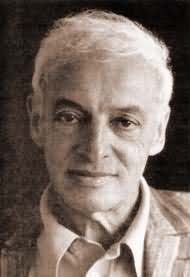
Saul Bellow
Saul Bellow, 89, the Nobel laureate and self-proclaimed historian of society whose fictional heroes - and whose scathing, unrelenting and darkly comic examination of their struggle for meaning - gave new immediacy to the American novel in the second half of the 20th century, died Tuesday at his home in Brookline, Massachusetts.
"I cannot exceed what I see," he once said. "I am bound, in other words, as the historian is bound by the period he writes about, by the situation I live in."
But his was a history of a particular and idiosyncratic sort. The center of his fictional universe was Chicago, where he grew up and spent most of his life, and which he made into the first city of American letters. Many of his works are set there, and almost all of them have a Midwestern earthiness and brashness. Like their creator, Bellow's heroes were all head and all body. They tended to be dreamers, questers or bookish intellectuals, but they lived in a lovingly depicted world of cranks, con men, fast-talking salesmen and wheeler-dealers.
In novels like "The Adventures of Augie March," his breakthrough novel in 1953, "Henderson the Rain King" and "Herzog," Bellow laid a path for old-fashioned, supersized characters and equally big themes and ideas. All his work, long and short, was written in a distinctive, immediately recognizable style that blended high and low, colloquial and mandarin, wisecrack and aphorism, as in the introduction of the poet Humboldt at the beginning of "Humboldt's Gift":
"He was a wonderful talker, a hectic nonstop monologuist and improvisator, a champion detractor. To be loused up by Humboldt was really a kind of privilege. It was like being the subject of a two-nosed portrait by Picasso, or an eviscerated chicken by Soutine."
Bellow stuck to an individualistic path, steering clear of cliques, fads and schools of writing. He was frequently lumped together with Philip Roth and Bernard Malamud as a Jewish-American writer, but he rejected the label.
Bellow grew up reading the Old Testament, Shakespeare and the great 19th-century Russian novelists, and always looked with respect to the masters, even as he tried to recast himself in the American idiom. A scholar as well as teacher, he read deeply and quoted widely, often referring to Henry James, Marcel Proust and Gustave Flaubert. While others were ready to proclaim the death of the novel, he continued to think of it as a vital form. "I never tire of reading the master novelists," he said. "Can anything as vivid as the characters in their books be dead?"
In a long and unusually productive career, Bellow dodged many of the snares that typically entangle American writers. He didn't drink much, and though he was analyzed four times, his mental health was as robust as his physical health. His success came neither too early nor too late, and he took it more or less in stride. He never ran out of ideas and he never stopped writing.
The Nobel Prize, which he won in 1976, was the cornerstone of a career that also included a Pulitzer Prize, three National Book Awards, a Presidential Medal and more honors than any other American writer. In contrast with some other winners, who were wary of the albatross of the Nobel, Bellow accepted it matter-of-factly. "The child in me is delighted," he said. "The adult in me is skeptical." He took the award, he said, "on an even keel," aware of "the secret humiliation" that "some of the very great writers of the century didn't get it."
This most American of writers was born in Lachine, Quebec, a poor immigrant suburb of Montreal. He was the last of four children of Abram and Liza Bellow, but as he was always quick to point out, the first to be born in the New World. His parents had emigrated from Russia two years before.
In 1924, when their son was 9, the Bellows moved to Chicago, where the family began to prosper a little as Abram picked up work. The family continued its old ways in the United States, and during his childhood, Saul was steeped in Jewish tradition, learning Hebrew and Yiddish.
But eventually he rebelled against what he considered to be a "suffocating orthodoxy," and he found in Chicago not just a physical home but a spiritual one. Eventually the city became for him what London was for Dickens and Dublin was for Joyce - the center of both his life and his work, and not just a place or a background but almost a character in its own right.
In 1933 he enrolled at the University of Chicago, but two years later transferred to Northwestern. He had hoped to study literature but was put off by what he saw as the tweedy anti-Semitism of the English department, and graduated in 1937 with honors in anthropology and sociology, subjects that were later to infuse his novels. But he was still obsessed by fiction. While doing graduate work in anthropology at the University of Wisconsin, he found that "every time I worked on my thesis, it turned out to be a story." He added, "I sometimes think the Depression was a great help. It was no use studying for any other profession."
Quitting his graduate studies at Wisconsin after several months, he participated in the WPA Writers' Project in Chicago, preparing biographies of Midwestern novelists, and later joined the editorial department of the Encyclopaedia Britannica.
He came to New York "toward the end of the '30s, muddled in the head but keen to educate myself." He later joined the merchant marine and, during his service, he completed "Dangling Man," about the alienation of a young Chicagoan waiting to be drafted. It was published in 1944, before the author was 30, and was followed by "The Victim," a novel about anti-Semitism that he said, was influenced by Dostoyevsky. In 1948, financed by a Guggenheim fellowship, Bellow went to Paris.
His first major novel, "The Adventures of Augie March," was published in 1953, and it became Bellow's breakthrough, his first best seller and the book that established him as a writer of consequence. The beginning of the novel was as striking and as unforgettable as the beginning of "Huckleberry Finn," and it announced a brand-new voice in American fiction, jazzy, brash, exuberant.
With "Henderson the Rain King" in 1959, Bellow envisioned an even more ambitious canvas than that of "Augie March," with the story of an American millionaire who travels in Africa in search of regeneration. "Herzog," in 1964, featured as its title character a Jewish Everyman who is cuckolded by his wife and his best friend. The novel won a National Book Award.
With "Mr. Sammler's Planet" in 1969, a novel about a survivor of the Holocaust living and ruminating in New York, Bellow won his third National Book Award.
"Humboldt's Gift," in 1975, was one of his greatest successes. In it, Charlie Citrine, a Pulitzer Prize-winning writer, must come to terms with the death of his mentor, the poet Von Humboldt Fleischer. The book won the Pulitzer Prize for fiction. The Nobel Prize for literature soon followed, with the Royal Swedish Academy citing his "exuberant ideas, flashing irony, hilarious comedy and burning compassion," and Bellow was now placed in a class with Ernest Hemingway and William Faulkner.
In "Humboldt's Gift," the protagonist, Charlie Citrine, says, "What a woman-filled life I always led." Those are words that could have been echoed by the author, who was married five times. His wives were Anita Goshkin, Alexandra Tsachacbasov, Susan Glassman, Alexandra Ionescu Tulcea and Janis Freedman. All of Bellow's marriages but his last ended in divorce.
Wednesday, April 06, 2005
Monaco's Prince Rainier dies

Prince Rainier of Monaco
MONACO (CNN) -- World leaders have been mourning the death of Prince Rainier III of Monaco, crediting him with creating wealth and prestige for his tiny nation.
Rainier's marriage to American film star Grace Kelly also brought elegance and glamor to one of Europe's oldest dynasties. Rainier was 81.
He died of heart, lung and kidney failure at 6.35 a.m. local time (0435 GMT) Wednesday, at the hospital where he has been treated for several weeks, a palace official said.
"This is a time for grief, and all of us here feel orphans as he has molded the principality of Monaco with his outstanding personality during this 56 years of his reign," the spokesman said in a recorded statement.
Russian President Vladimir Putin told Rainier's heir, Prince Albert II, that his father "will remain in our memory as a gallant warrior who fought for the liberation of Europe during World War II." (More reaction)
Britain's Queen Elizabeth II, who succeeds Rainier as Europe's longest-serving monarch, also sent his family a message of condolence and said she was "saddened" to hear of his death, her palace said in a statement.
He is expected to be buried beside his wife close to the palace after at least a week's mourning.
The funeral for Prince Rainier III of Monaco was expected to be held midday April 15, a palace official told The Associated Press Wednesday.
A Mass for the royal family was being held in the palace's Palatine Chapel on Wednesday evening.
Whirlwind courtship
Rainier is given most of the credit for putting and keeping his tiny principality on the map.
Monaco, less than a square mile in area, has been in Grimaldi family hands for more than seven centuries, but it was only when Rainier took the throne in 1949 that the real myth and money making began.
At first the dashing young prince used the reflected glamor of the French Riviera to attract growing numbers of tourists to his casino and hotels.
But it was his whirlwind courtship and eventual marriage to American movie actress Grace Kelly that gave Monaco the glittering image that continues to draw in cruise liners full of visitors.
Her Hollywood connections made Monaco a mandatory stop for the movie crowd, especially in spring when heading for the nearby film festival at Cannes.
Rainier, not always comfortable in public,%2
Sunday, April 03, 2005
Father Guido Sarducci Remembers the Pope

Hey, I missa the Pope-ah already! He was a so nice and a so smart and stuff. Lemme tell you something the Pope'ah once-ah tolda me-ah in confidence:
Life is a job. You get $14.50 a day, but after you die, you have to pay for your sins. Stealing a hub cap is around $100. Masturbation is 35 cents (it doesn't seem like much, but it adds up). If there's money left when you subtract what you owe from what you've earned, you can go to heaven. If not, you have to go back to work. (Sort of like reincarnation -- many nuns are Mafia guys working it off.)
Saturday, April 02, 2005
Obituary: Pope John Paul II

Pope JPII
Karol Wojtyla's election as Pope in 1978 stunned the Catholic world. Not one expert had tipped the 58-year-old bishop of Krakow for the top job.
His stand against Poland's Communist regime had brought him respect. But he was not part of the Vatican "in-crowd" and, above all, he was the first non-Italian pope in more than 450 years.
He went on to become one of the most familiar faces in the world. His papal odyssey covered more than 120 countries and he earned himself the reputation of an international fighter for freedom.
But, to his critics, John Paul II was the arch-conservative - an autocrat whose pronouncements on abortion, contraception and women's rights have had an effect on millions of lives.
Theologian in hiding
The youngest pope of the 20th Century was born near Krakow, Poland, in 1920. As a young man he excelled at sports, including soccer and skiing. He also had a great love for the theatre and, at one time, seriously considered becoming an actor.
World War II and the Nazi occupation saw Karol Wojtyla working as a labourer. He studied theology from 1942 and was forced into hiding in 1944 following a crackdown on religious teaching.
Continuing his studies after the war, he was ordained a priest in 1946. Rapid promotion followed and by 1964 he was archbishop of the city. Three years later he was a cardinal.
Throughout, he had continued his theological studies and was often seen in Rome, but no more than dozens of other cardinals from distant and obscure dioceses.
Approachable
"The Year of the Three Popes" came in 1978. Pope Paul VI died at the age of 80. His successor, elected in a single day, took the name John Paul in memory of his two predecessors. Thirty-three days later he, too, was dead.
Once again the College of Cardinals conducted the centuries-old ritual of a papal election in the Sistine Chapel. After two days of deliberation, Karol Wojtyla became the next successor to St Peter.
Taking the name John Paul II, the new pontiff signalled a new era in Catholic affairs. He was dynamic and approachable, an instantly recognisable leader for the world's largest Christian community.
Above all, he travelled. On an early trip to Ireland, he appealed to the men of violence to return to the ways of peace. American Catholics saw him reject all calls for a change in moral teaching.
Ecumenical services
But his insistence on getting close to crowds almost led to his death in May 1981. Leaning out of his vehicle in St Peter's Square, he was shot and seriously wounded by a Turkish fanatic. After a long recovery, he visited and forgave his would-be assassin Mehmet Ali Agca.
In 1982 he visited Britain. This was a historically charged trip made all the more important as it occurred during the Falklands crisis.
The Pope appealed for a peaceful end to the Falklands issue, a plea which was mirrored in a visit to Argentina days later. He participated in a number of ecumenical services with the Church of England, something unthinkable in previous eras.
Huge crowds, Catholic and Protestant, attended his every move and the talk was of union between Rome and Canterbury - a union which today seems as far away as ever, because of the issue of women priests.
Influential in eastern bloc
With the break-up of the Soviet bloc, relations between the Kremlin and the Vatican gained a new significance. In 1989, Mikhail Gorbachev visited Rome, the first time a Soviet leader had crossed the threshold of St Peter's.
"The Pope," he told his wife Raisa at the time, "is the pre-eminent moral authority in the world. But he's still a Slav." The understanding between the two men undoubtedly eased the way to democracy in the eastern bloc.
The collapse of Communism coincided with increasing demands in the West for a compromise on religious teaching. By consistently rejecting these calls, John Paul effectively closed the debate before it had started.
He was a complex man. While calling for action to combat world poverty, he insisted that contraception was morally unacceptable. He said that he wanted to improve the status of women while writing that motherhood should be a woman's natural aspiration.
Reign saw great change
He frequently criticised the liberalism which he saw all around him. Homosexuals incurred both his wrath and his pity, to the dismay of campaigners for gay rights.
Although dogged by ill-health in later years, the journeys continued - to Cuba, Nigeria, former Yugoslav republics and the Holy Land, each with its own particular set of pastoral and political problems.
In 2002, the Pope made an emotional and nostalgic final visit to his homeland, flying over his birthplace in Wadowice and visiting the graves of his parents and brother in Krakow.
Once again, vast crowds turned out to see the man many Poles regarded as a living saint and who had, they believed, played a key role in liberating them from Communism.
John Paul's reign also saw other radical changes throughout the world - including the emergence of Aids.
And he had to deal with an increasing number of sex abuse scandals which have recently beset the Catholic Church.
Throughout his reign, his work to maintain the dignity of mankind against what he saw as the dangers of modern life, together with his personal magnetism, made Pope John Paul II one of the most remarkable men of his times.
Story from BBC NEWS:
http://news.bbc.co.uk/go/pr/fr/-/1/hi/world/europe/207959.stm
Thursday, March 31, 2005
Mitch Hedberg
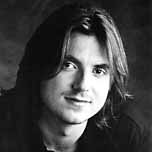
Comedian Mitch Hedberg was found dead in his hotel room. Dude was funny, young, and talented. He was also known for having a debilitating drug problem. His delivery was at least half the battle with his humor (dry, like Steven Wright). So to retell them without his voice is something of an injustice. However, let's air some of his most memorable. These are some of his best bits, contributed by fans remembering him today, please enjoy:
I think pringles original plan was to make tennis balls
If I had a friend who was a tight rope walker and one day while walking down the street he tripped, I'd find that completely unacceptable
Someone once asked me if I wanted I wanted a frozen banana. I didn't, but I thought later I might want a regular banana, so I said sure
I bought a doughnut and they gave me a receipt for the doughnut...I don't need a receipt for the doughnut - I'll just give you money and you give me the doughnut, end of transaction. We don't need to bring ink and paper into this. I can't imagine a scenario in which I would need to prove that I bought a doughnut
Everytime I see someone handing out a flyer I think "here, you throw this away."
This shirt is dry clean only. Which means...it's dirty
I like an escalator man, because an escalator can never break. It can only become stairs. You'll never see an 'Escalator Temporarily Out of Order' sign....just 'Escalator Temporarily Stairs.' Sorry for the convenience
If carrots got you drunk, rabbits would be fucked up
Schiavo Dies 13 Days After Tube Removed
Terri Schiavo, the Brain-Damaged Florida Woman, Dies 13 Days After Feeding Tube Removed
By MIKE SCHNEIDER
The Associated Press
Mar. 31, 2005 - Terri Schiavo, the severely brain-damaged woman whose final years tethered to a feeding tube sparked a bitter feud over her fate that divided a family and a nation, died Thursday.
Schiavo, 41, died quietly in a Pinellas Park hospice 13 days after her feeding tube was removed despite extraordinary intervention by Florida lawmakers, Congress and President Bush efforts that were rebuffed at every turn by the courts.
Her death was confirmed to The Associated Press by Michael Schiavo's attorney, George Felos, and announced to reporters outside her hospice by a family adviser.
"I
Terry Schiavo in 2001.
t is with great sadness that it's been reported to us that Terri Schiavo has passed away," said Paul O'Donnell, a spokesman for the Schindlers. He said her parents would be making a statement later Thursday.
David Gibbs III, lawyer for Schiavo's parents Bob and Mary Schindler, said outside the hospice that the parents were grieving in private. Terri Schiavo's siblings, Bobby Schindler and Suzanne Vitadamo, were in the room with her until 10 minutes before she died, Gibbs said.
"This is indeed a sad day for the nation, for the family. Their faith in God remains strong," Gibbs said. "God loves Terry more than they do. She is at peace."
Dawn Kozsey, 47, a musician who was among those outside Schiavo's hospice, wept when she learned of the woman's death.
"Words cannot express the rage I feel," she said. "Is my heart broken for this? Yes."
A small group of activists sang religious hymns outside the hospice, raising their hands to the sky and closing their eyes.
In Tallahassee, Senate President Tom Lee, R-Brandon, stopped debate on a bill to announce Schiavo's death.
"Regardless of your perspective on end of life issues, it is a very sad moment and it is a very reflective moment for a lot of us and I think it would appropriate to have a moment of silence in her honor," Lee told the Senate.
Sen. Daniel Webster, who unsuccessfully sought support for a bill written to keep Schiavo alive, stood with his eyes closed. Behind him Sen. Gary Siplin, who voted against the bill, held his hands out palm up and also closed his eyes.
An autopsy is planned, with both sides hoping that would shed more light on her condition.
A shy woman who avoided the spotlight, Schiavo spent her final months as the focus of a media frenzy and an epic legal battle between her husband and parents over whether she should live or die.
Protesters streamed into Pinellas Park to keep vigil outside her hospice, with many arrested as they tried to bring her food and water. The Vatican likened the removal of her feeding tube to capital punishment for an innocent woman.
Politicians repeatedly tried to intervene as her parents, Bob and Mary Schindler, pleaded for their daughter's life, calling the removal of the feeding tube "judicial homicide."
"Something has to be done and has to be done quick," Bob Schindler said, a week after the tube was removed March 18, as the family's legal options dwindled. "I think the people who are anxious to see her die are getting their wish."
Although several right-to-die cases have been fought in the courts across the nation in recent years, none has been this public, drawn-out and bitter.
Schiavo depended on a feeding tube for more than 15 years after she collapsed and was left in what court-appointed doctors said was a vegetative state. Her husband, Michael, said she would not want to be kept alive artificially and courts agreed.
Terri Schiavo's parents, Bob and Mary Schindler, kept up their desperate appeals, maintaining that their daughter could improve. They said she laughed, cried, responded to them and tried to talk.
The case wound its way through six courts for seven years; the U.S. Supreme Court declined to intervene six times, the final time Wednesday. Schiavo's fate was debated on the floor of Congress and by President Bush, who signed an extraordinary bill March 21 that let federal judges review her case.
"In extraordinary circumstances like this, it is wise to always err on the side of life," the president said.
But federal courts refused to overturn rulings by state judges. The federal government has usually left right-to-die issues to the states, and the courts repeatedly found the parents' arguments had no merit.
Before people became obsessed with whether she should die, Terri Schiavo avoided the limelight.
Described by her family as a shy woman who loved animals, music and basketball, Terri Schindler grew up in Pennsylvania and battled a weight problem in her youth. She blossomed when the weight came off.
"Terri has always been beautiful from the inside out," a friend, Diane Meyer, said in 2003. "And then when she lost all the weight, she really became quite beautiful on the outside as well. What was inside she allowed to shine out at that point."
She met Michael Schiavo pronounced SHI voh at Bucks County Community College near Philadelphia in 1982. They wed two years later. After they moved to Florida, she worked in an insurance agency.
But recurring battles with weight led to the eating disorder that is blamed for her collapse at age 26. Doctors said she suffered severe brain damage when her heart stopped beating because of a potassium imbalance. Her brain was deprived of oxygen for 10 minutes before she was revived, doctors estimated.
Because Terri Schiavo did not leave written wishes on her care, Florida law gave preference to Michael Schiavo over her parents. But the law also recognizes parents as having crucial opinions in the care of an incapacitated person.
A court-appointed physician testified her brain damage was so severe that there was no hope she would ever have any cognitive abilities.
Still, her parents, who visited her nearly every day, reported their daughter laughed, cried, smiled and responded to their voices. Video showing the dark-haired woman appearing to interact with her family was televised nationally. But the court-appointed doctor said the noises and facial expressions were reflexes.
Both sides accused each other of being motivated by greed over a $1 million medical malpractice award from doctors who failed to diagnose the chemical imbalance. However, that money, which Michael Schiavo received in 1993, has all but evaporated, spent on his wife's care and the court fight. Just $40,000 to $50,000 remained as of mid-March.
Michael Schiavo's lawyers suggested the Schindlers wanted to get some of the money. And the Schindlers questioned their son-in-law's sincerity, saying he never mentioned his wife's wishes until winning the case.
The parents tried to have Michael Schiavo removed as his wife's guardian because he lives with another woman and has two children with her. Michael Schiavo has refused to divorce his wife, saying he feared the Schindlers would ignore her desire to die.
Schiavo lived in her brain-damaged state longer than two other young women whose cases brought right-to-die issues to the forefront of public attention.
Karen Quinlan lived for more than a decade in a vegetative state brought on by alcohol and drugs in 1975 when she was 21 until New Jersey courts finally let her parents take her off a respirator. Nancy Cruzan, who was 25 when a 1983 car crash placed her in a vegetative state, lived nearly eight years before the U.S. Supreme Court ruled that her parents could withdraw her feeding tube.
In those cases, however, the family agreed to end life-saving measures.
Heeding her husband's wishes, a judge first ordered Schiavo's feeding tube removed five years ago, and it was briefly removed in 2001. It was reinserted after two days when a court intervened.
In October 2003, the tube was removed again, but Gov. Jeb Bush hastily pushed "Terri's Law" through the legislature, allowing the state to have the feeding tube reinserted after six days. The Florida Supreme Court later ruled that law was unconstitutional.
On March 18, the tube was removed for the third and final time.
Copyright 2005 The Associated Press. All rights reserved. This material may not be published, broadcast, rewritten, or redistributed.
Copyright © 2005 ABC News Internet Ventures
By MIKE SCHNEIDER
The Associated Press
Mar. 31, 2005 - Terri Schiavo, the severely brain-damaged woman whose final years tethered to a feeding tube sparked a bitter feud over her fate that divided a family and a nation, died Thursday.
Schiavo, 41, died quietly in a Pinellas Park hospice 13 days after her feeding tube was removed despite extraordinary intervention by Florida lawmakers, Congress and President Bush efforts that were rebuffed at every turn by the courts.
Her death was confirmed to The Associated Press by Michael Schiavo's attorney, George Felos, and announced to reporters outside her hospice by a family adviser.
"I
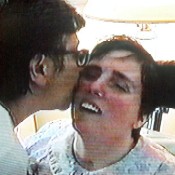
Terry Schiavo in 2001.
t is with great sadness that it's been reported to us that Terri Schiavo has passed away," said Paul O'Donnell, a spokesman for the Schindlers. He said her parents would be making a statement later Thursday.
David Gibbs III, lawyer for Schiavo's parents Bob and Mary Schindler, said outside the hospice that the parents were grieving in private. Terri Schiavo's siblings, Bobby Schindler and Suzanne Vitadamo, were in the room with her until 10 minutes before she died, Gibbs said.
"This is indeed a sad day for the nation, for the family. Their faith in God remains strong," Gibbs said. "God loves Terry more than they do. She is at peace."
Dawn Kozsey, 47, a musician who was among those outside Schiavo's hospice, wept when she learned of the woman's death.
"Words cannot express the rage I feel," she said. "Is my heart broken for this? Yes."
A small group of activists sang religious hymns outside the hospice, raising their hands to the sky and closing their eyes.
In Tallahassee, Senate President Tom Lee, R-Brandon, stopped debate on a bill to announce Schiavo's death.
"Regardless of your perspective on end of life issues, it is a very sad moment and it is a very reflective moment for a lot of us and I think it would appropriate to have a moment of silence in her honor," Lee told the Senate.
Sen. Daniel Webster, who unsuccessfully sought support for a bill written to keep Schiavo alive, stood with his eyes closed. Behind him Sen. Gary Siplin, who voted against the bill, held his hands out palm up and also closed his eyes.
An autopsy is planned, with both sides hoping that would shed more light on her condition.
A shy woman who avoided the spotlight, Schiavo spent her final months as the focus of a media frenzy and an epic legal battle between her husband and parents over whether she should live or die.
Protesters streamed into Pinellas Park to keep vigil outside her hospice, with many arrested as they tried to bring her food and water. The Vatican likened the removal of her feeding tube to capital punishment for an innocent woman.
Politicians repeatedly tried to intervene as her parents, Bob and Mary Schindler, pleaded for their daughter's life, calling the removal of the feeding tube "judicial homicide."
"Something has to be done and has to be done quick," Bob Schindler said, a week after the tube was removed March 18, as the family's legal options dwindled. "I think the people who are anxious to see her die are getting their wish."
Although several right-to-die cases have been fought in the courts across the nation in recent years, none has been this public, drawn-out and bitter.
Schiavo depended on a feeding tube for more than 15 years after she collapsed and was left in what court-appointed doctors said was a vegetative state. Her husband, Michael, said she would not want to be kept alive artificially and courts agreed.
Terri Schiavo's parents, Bob and Mary Schindler, kept up their desperate appeals, maintaining that their daughter could improve. They said she laughed, cried, responded to them and tried to talk.
The case wound its way through six courts for seven years; the U.S. Supreme Court declined to intervene six times, the final time Wednesday. Schiavo's fate was debated on the floor of Congress and by President Bush, who signed an extraordinary bill March 21 that let federal judges review her case.
"In extraordinary circumstances like this, it is wise to always err on the side of life," the president said.
But federal courts refused to overturn rulings by state judges. The federal government has usually left right-to-die issues to the states, and the courts repeatedly found the parents' arguments had no merit.
Before people became obsessed with whether she should die, Terri Schiavo avoided the limelight.
Described by her family as a shy woman who loved animals, music and basketball, Terri Schindler grew up in Pennsylvania and battled a weight problem in her youth. She blossomed when the weight came off.
"Terri has always been beautiful from the inside out," a friend, Diane Meyer, said in 2003. "And then when she lost all the weight, she really became quite beautiful on the outside as well. What was inside she allowed to shine out at that point."
She met Michael Schiavo pronounced SHI voh at Bucks County Community College near Philadelphia in 1982. They wed two years later. After they moved to Florida, she worked in an insurance agency.
But recurring battles with weight led to the eating disorder that is blamed for her collapse at age 26. Doctors said she suffered severe brain damage when her heart stopped beating because of a potassium imbalance. Her brain was deprived of oxygen for 10 minutes before she was revived, doctors estimated.
Because Terri Schiavo did not leave written wishes on her care, Florida law gave preference to Michael Schiavo over her parents. But the law also recognizes parents as having crucial opinions in the care of an incapacitated person.
A court-appointed physician testified her brain damage was so severe that there was no hope she would ever have any cognitive abilities.
Still, her parents, who visited her nearly every day, reported their daughter laughed, cried, smiled and responded to their voices. Video showing the dark-haired woman appearing to interact with her family was televised nationally. But the court-appointed doctor said the noises and facial expressions were reflexes.
Both sides accused each other of being motivated by greed over a $1 million medical malpractice award from doctors who failed to diagnose the chemical imbalance. However, that money, which Michael Schiavo received in 1993, has all but evaporated, spent on his wife's care and the court fight. Just $40,000 to $50,000 remained as of mid-March.
Michael Schiavo's lawyers suggested the Schindlers wanted to get some of the money. And the Schindlers questioned their son-in-law's sincerity, saying he never mentioned his wife's wishes until winning the case.
The parents tried to have Michael Schiavo removed as his wife's guardian because he lives with another woman and has two children with her. Michael Schiavo has refused to divorce his wife, saying he feared the Schindlers would ignore her desire to die.
Schiavo lived in her brain-damaged state longer than two other young women whose cases brought right-to-die issues to the forefront of public attention.
Karen Quinlan lived for more than a decade in a vegetative state brought on by alcohol and drugs in 1975 when she was 21 until New Jersey courts finally let her parents take her off a respirator. Nancy Cruzan, who was 25 when a 1983 car crash placed her in a vegetative state, lived nearly eight years before the U.S. Supreme Court ruled that her parents could withdraw her feeding tube.
In those cases, however, the family agreed to end life-saving measures.
Heeding her husband's wishes, a judge first ordered Schiavo's feeding tube removed five years ago, and it was briefly removed in 2001. It was reinserted after two days when a court intervened.
In October 2003, the tube was removed again, but Gov. Jeb Bush hastily pushed "Terri's Law" through the legislature, allowing the state to have the feeding tube reinserted after six days. The Florida Supreme Court later ruled that law was unconstitutional.
On March 18, the tube was removed for the third and final time.
Copyright 2005 The Associated Press. All rights reserved. This material may not be published, broadcast, rewritten, or redistributed.
Copyright © 2005 ABC News Internet Ventures
Sunday, February 20, 2005
Hunter S Thompson
Gonzo


Well, I just found out minutes ago that Hunter S Thompson is dead. This is terrible news for me because he was a god to me. I am sad and torn and will deal with this the way I deal with everything - writing to you about it.
Really, no one can be surprised by news of Hunter's death. Hunter lived a long a very crazy life... you know that. What is a freakish surprise to me is the news is it was a suicide. What the fuck is that about, Hunter? It seems a cowardly way to go for such a brave and fearless man. For the last month I have been reading his last tome 'Kingdom of Fear'. I was on the web writing about Hunter on Blogcritics this afternoon (before I knew about his death). It was just today... about 6 hours ago I typed this very line "Hunter Thompson is the greatest living American writer".
Lemme tell you about my attachment and love of HST. If you have a working browser (like Mozilla) you have seen a black fist that says 'Gonzo' on the left under the links. That was an homage to Hunter for my site. In college, I had vanity plates on my Honda that said 'Lono'. This is a Hunter Thompson reference as well. Hunter is one of the reasons I moved to Colorado, seriously. I wanted to meet him, and knew eventually I would make my way to Woody Creek Tavern for an unpleasent drunken exchange with the man. In fact, if you could see that Atlas we used to drive to Colorado about 9 years ago... there is only one pen mark on the Colorado page. I circled Woody Creek to show my wife where Hunter lived, and where we would subsequently be stalking.
I am pleased to say I did get to finally see him in person. A year or two after we moved here he did a speaking engagement at the Fox Theatre in Boulder. It was a classic Hunter experience, and I was able to ask him a question personally. I'd have to say I am somewhere in the 'denial' stage still about this news. I keep refreshing my google news search engine every few minutes hoping to see the word 'hoax' somewhere. It hasn't happened yet. There will be a million pages and writings dedicated to Hunter over the coming weeks and months. However, there is only one good internet site dedicated to Hunter for years, it is Christine's 'Great Thompson Hunt' and that is where you should go for pictures and articles and news.
You see my sig file and e mail address? They are the name 'Lono'. I own that name in almost every domain over the years (ATT, Us West, MSN, Hotmail, & Mindspring). This is all a reference to one of Hunter's greatest books 'The Curse of Lono'. I am sure I will have more to say about this, much much more. For now, at 11 pm Colorado time, the news has only been public for about an hour. The details are chillingly few: Hunter Thompson found dead of apparent self inflicted gunshot wounds, found by his son Juan.
You all know about Roy if you are here often enough. This is what Roy wrote to the group this evening about this news: This is sad and a loss I put equal to the death of John Lennon. So perhaps you can see why Roy and I are so close. In fact, I just remember Hunter is the REASON I met Roy. Roy had one of the good doctor's books at his desk at work and it caught my eye. Knowing anyone who reads Hunter is good people, we struck up a conversation. If it weren't for that book, I probably wouldn't know or subsequently care about my very good friend Roy.
PT 2, written about an hour (and three drinks) later
The last piece I wrote about Hunter was ironically titled 'Hunter S Thompson, still alive' That was back in August. I knew one day Hunter would be gone and we'd all sit and talk about how great he was. I didn't want to wait until he was dead for people to appreciate him... so I reached out. Hunter was like Jerry Garcia, you just know neither was ever going to live out a full life to old age. I miss them both so much.
I also want to say this. We all knew Hunter could go any day. What I expected was a headline like this "Gonzo journalist shot by police after consuming hundreds of hits of LSD and attempting to paint murals on Aspen police cars" or something cool and strange like that. I guess I wanted an Easy Rider type ending... a martyr who fought to the end.
Subscribe to:
Posts (Atom)